


• For Patients
    • Choose the Most Experienced
    • Services & Support
    • Personalized Care
    • Northern Illinois Palliative Care
    • Your Grief Journey
    • Patient Stories
  • For Caregivers
    • FAQs
    • Caregiver Resources
    • Family Support
    • Bereavement
    • Caregiver Stories
    • Grief Support Groups
    • The Reading Room
  • The Reading Room
  • Volunteer
    • Opportunities
    • Become a Volunteer
    • Veteran Support
    • Volunteer Stories
    • Volunteer Portal Home
  • Give
    • Donate Now
    • Begin a Legacy
    • Grateful Families
    • Donor Stories
    • Charity Golf Event
    • Go Paperless
  • Referrers
    • Physicians
    • Affiliates/Partners
    • Make a Referral
  • In the Know
    • Events
    • Community/News
    • Video Resources
    • Blog
  • Contact
    • About Us
    • Careers
© All rights reserved.

English | Spanish

  • 815.398.0500
  • About Us
    • Our Team
  • Contact
  • Careers
  • In the Know
    • Events
    • Community/News
    • Video Resources
    • Blog
Northern Illinois Hospice Northern Illinois Hospice
  • For Patients
    • Choose the Most Experienced
    • Services & Support
    • Personalized Care
    • Northern Illinois Palliative Care
    • Your Grief Journey
    • Patient Stories
  • For Caregivers
    • FAQs
    • Caregiver Resources
    • Family Support
    • Bereavement
    • Caregiver Stories
    • Grief Support Groups
  • The Reading Room
  • Volunteer
    • Opportunities
    • Become a Volunteer
    • Veteran Support
    • Volunteer Stories
  • Give
    • Donate Now
    • Begin a Legacy
    • Grateful Families
    • Donor Stories
    • Charity Golf Event
    • Go Paperless
Northern Illinois Hospice

English | Spanish

Events

Home / Blog

Annual Spring Memorial 2026

Annual Spring Memorial - Sunday April 26, 2026 - 3 PM - 4PM - Northern Illinois Hospice

Annual Spring Memorial 2026

You and your family are cordially invited to join us in a memorial honoring your loved ones at the 2026 Annual Spring Memorial.

During the event, you’ll have the opportunity to display a standing photo frame of your loved one and will have the chance to read or recite a few sentences in remembrance of them.

REGISTRATIONS ARE REQUIRED. Register for this FREE event on or before Tuesday, April 21 by calling 815.398.0500 or filling out the form below.

Date: Sunday, April 26, 2026
Time: 3:00 PM – 4:00 PM
Location: Northern Illinois Hospice, 4751 Harrison Ave, Rockford, IL 61108


Annual Spring Memorial RSVP

  • Please bring a standing framed photography of your loved one to display at the memorial!

Three Complementary Therapies Available in Hospice Care

inBlog, Community/News
A hospice patient and nurse speaking about the complementary therapies offered by hospice, including aromatherapy, pet therapy and music therapy - Three Complementary Therapies Available in Hospice Care - Northern Illinois Hospice

Each person’s hospice experience is different, but everyone receives care tailored to their individual needs. One of the main goals of hospice is to enhance quality of life while offering physical, emotional, and spiritual support. In addition to pain management, many hospice programs also offer a variety of complementary therapies to provide comfort and support for your loved one. Here are three complementary therapies available at Northern Illinois Hospice that can make a meaningful difference. 


Aromatherapy 

Aromatherapy can be a simple way to create a comforting and relaxing atmosphere. This type of therapy uses essential oils to create soothing scents in the room. Your loved one may receive this therapy on its own or in combination with other care. 

Since scent is linked to memory and emotion, certain essential oils may help ease anxiety, reduce stress, or support more restful sleep. The specific essential oils used depend on your loved one’s needs and preferences. 

By creating a calming environment, you can help your loved one fully relax and rest comfortably. It’s a simple way to support their emotional well-being during hospice. 


Pet therapy 

Another common therapy available in hospice is pet therapy. Trained therapy animals can visit your loved one, allowing them to spend meaningful one-on-one time together. Animals give unconditional love that can help improve your loved one’s emotional well-being, especially if they’ve had pets in the past. Some people form strong emotional connections with the animals. 

Therapy animals provide companionship as your family member engages and interacts with them. Spending time with these animals helps reduce stress and ease feelings of loneliness. Having something fun and engaging to look forward to can help brighten your loved one’s mood and enhance their quality of life. 


Music therapy 

Music therapy is another service we offer that can make a positive impact. Guided by a certified Licensed Professional Music Therapist, sessions may include listening to familiar songs, singing, reminiscing, or simply creating a calm and comforting atmosphere.

Music is a great way to communicate and connect with your loved one and other family members. Since hospice can be an emotional journey, your loved one may find it difficult to express themselves. Music can be a creative and powerful outlet to communicate emotions, especially when putting feelings into words feels overwhelming.

Additionally, listening to calming, familiar music may help the body relax, easing discomfort and distracting your loved one from the pain they may be experiencing. 

Incorporating complementary therapies into your loved one’s care plan can create opportunities for comfort, connection, and peaceful engagement. These therapies are just one of the many ways hospice care supports the whole person during this time.


Northern Illinois Hospice is here to provide compassionate end-of-life care 

At Northern Illinois Hospice, we understand that every hospice journey is unique, which is why each care plan is tailored to the person’s goals and wishes. We take that information and create a team of individuals that can provide compassionate end-of-life care for your loved one. 

As the first hospice provider in the region, Northern Illinois Hospice has been helping people transition to hospice care for more than 45 years. Our care team provides compassionate end-of-life care to individuals with life-limiting illnesses.

We honor patients and their wishes by providing specialized care that treats the person, not the disease. We offer a wide range of palliative and hospice care to improve your loved one’s quality of life in their final months.

Our experienced team of healthcare professionals, social workers, and volunteers is here to ensure your loved one’s comfort and support.


Get even more support with The Reading Room

Because hospice care offers so many services and benefits to patients, families, and providers, it can sometimes feel overwhelming to navigate. That’s why we created The Reading Room.

The Reading Room is a special place where people can learn and grow in their understanding of hospice and palliative care, anytime and anywhere. It’s like having a whole library in the palm of your hand or with a click of your mouse. With dozens of articles and helpful how-to videos in both English and Spanish, The Reading Room can serve as a helpful guide. 

To learn more about our palliative or hospice services or how we can help you navigate end-of-life care for your loved ones, call us today at (815) 398-0500.

Tips on Creating a Peaceful Environment for In-Home Hospice

inBlog, Community/News
Hospice nurse worker holding the arm of a patient sitting on a couch - Tips on Creating a Peaceful Environment for In-Home Hospice - Northern Illinois Hospice

One of the most meaningful parts of hospice is the ability to receive care from the comfort of home. Familiar surroundings can help your loved one feel more at ease during a difficult time. 

Small and thoughtful changes to your loved one’s home can help them feel more at peace while respecting their dignity and wishes. In this blog, we’re sharing a few tips for creating a calming, peaceful environment at home for your loved one in hospice. 


Keep familiar items and routines in place

Most people prefer receiving hospice care at home instead of in a nursing home or other inpatient facility because of the sense of familiarity it provides. Staying at home means your loved one can be surrounded by friends and family, memories, and routines that are important to them. When they begin hospice, try to keep meaningful items nearby and simple routines in place if they’re able.

Try not to shift items around too much so the space continues to feel natural and recognizable. Maintaining daily routines that bring your family member comfort, such as spending time in their favorite chair or watching familiar shows, can also help reduce anxiety. 

Being surrounded by the people and things they love can make the hospice journey feel more manageable, both physically and emotionally.


Make their space easy to navigate 

Having a safe, easy-to-navigate layout is another way to create a peaceful hospice environment. As your loved one progresses on their hospice journey, they may receive additional medical equipment like beds, oxygen tanks, or mobility aids that take up more room than you’re used to. Making space to accommodate those needs can help the home continue to feel supportive rather than crowded.

At home, create a clear path for mobility aids like walkers or canes so your loved one is less likely to trip on rugs or bump into objects. Keep essentials within reach so they’re easy to access when needed. During this time, you may want to hold off on rearranging furniture, since familiar placement can help your loved one feel more secure. 

Making small adjustments to your loved one’s home can help it feel more inviting and warm, helping them stay calm during this time. 


Adjust lighting, sound, and temperature to meet their needs

Creating a calming, relaxing atmosphere for your loved one can support their emotional well-being. While adequate lighting is necessary for safety, using softer lighting can help relax your loved one. Bright overhead lighting can sometimes feel harsh, while warmer lighting feels more welcoming and inviting. 

Playing familiar music or keeping a favorite movie or show on in the background is another way to help your loved one feel comfortable and calm. Additionally, maintaining a consistent room temperature can help them feel relaxed. 

Finding small ways to create a peaceful hospice setting at home can help your loved one remain in a familiar place even as their needs change.


Add personal touches to their space so it feels like home 

As your loved one’s needs change, it’s common to receive more medical supplies and equipment. While it may seem overwhelming in some situations, you should keep their space as personal and welcoming as possible.

Even as care becomes more involved, small touches can help prevent their home from feeling overly clinical. Keeping meaningful décor visible, incorporating favorite blankets or photos, and arranging equipment to minimize clutter can help maintain a warm, supportive environment.  

These intentional adjustments can help your loved one’s home continue to reflect their personality and highlight what’s meaningful to them. 


Northern Illinois Hospice is here to provide compassionate end-of-life care

At Northern Illinois Hospice, we understand that every hospice journey is unique, which is why each care plan is tailored to the person’s goals and wishes. We take that information and create a team of individuals that can provide compassionate end-of-life care for your loved one. 

As the first hospice provider in the region, Northern Illinois Hospice has been helping people transition to hospice care for more than 45 years. Our care team provides compassionate end-of-life care to individuals with life-limiting illnesses.

We honor patients and their wishes by providing specialized care that treats the person, not the disease. We offer a wide range of palliative and hospice care to improve your loved one’s quality of life in their final months.

Our experienced team of healthcare professionals, social workers, and volunteers is here to ensure your loved one’s comfort and support.


Get even more support with The Reading Room

Because hospice care offers so many services and benefits to patients, families, and providers, it can sometimes feel overwhelming to navigate. That’s why we created The Reading Room.

The Reading Room is a special place where people can learn and grow in their understanding of hospice and palliative care, anytime and anywhere. It’s like having a whole library in the palm of your hand or with a click of your mouse. With dozens of articles and helpful how-to videos in both English and Spanish, The Reading Room can serve as a helpful guide. 

To learn more about our palliative or hospice services or how we can help you navigate end-of-life care for your loved ones, call us today at (815) 398-0500.

How Hospice Care Focuses on Living, Not Giving Up

inBlog, Community/News
A nurse and hospice patient with walker holding eachother smiling - How Hospice Care Focuses on Living, Not Giving Up - Northern Illinois Hospice

One of the most common misconceptions about hospice care is that hospice patients are choosing to die. That’s actually the opposite of what hospice really is. Deciding to enter hospice can be extremely difficult for you and your loved one. While you may think they’re giving up, they’re actually choosing to focus on care that supports and enhances their quality of life. 

In this blog, we’re exploring what it means to choose hospice and embrace the idea of living comfortably instead of giving up. 


The purpose of hospice care

One of hospice’s primary goals is to enhance the quality of life for anyone with a life-limiting illness during end-of-life care. We take a holistic approach, focusing on comfort rather than curative treatments and providing compassionate, personalized care that meets your loved one’s physical, emotional, and spiritual needs. 

The care your loved one receives aligns with their wishes, helping them make the most of every day. Choosing hospice care doesn’t mean giving up; it means shifting the focus to comfort, dignity, and quality of life.


How hospice care focuses on living rather than dying 

Your hospice team tries to make the transition to end-of-life care as easy as possible. Your care team works to ensure that your loved one has a comfortable, positive experience focused on making each day count. By honoring your loved one’s wishes, you can help them feel comfortable, supported, and heard. 

It’s important to remember that everyone’s hospice journey is different, and your loved one’s needs and abilities may change over time. Their hospice team meets your loved one where they’re at, adapting their care plan to their current needs while still honoring their wishes. Hospice’s holistic approach to care helps shift the focus from giving up to receiving support for your loved one at every stage.


Hospice supports physical, emotional, and spiritual needs

Hospice prioritizes meeting your loved one’s physical, emotional, and spiritual needs, so they can spend their time on their own terms. With the right support, they can focus more on spending their days on what brings them comfort and joy. 

Along with pain relief and symptom management, hospice also provides emotional and spiritual support that respects each person’s individual beliefs, values, and cultural traditions. Your loved one has a safe, supportive space to talk openly about their feelings, reflect on life, and find comfort in what is meaningful to them. By honoring their wishes, hospice can provide peace and support throughout their hospice journey.


Why talking about hospice early can be beneficial 

Starting the conversation about end-of-life care can feel overwhelming, especially when it involves someone you love. If you’re feeling uncertain about hospice care for your loved one, we’re here to answer your questions and help you feel reassured and confident in the decision you’re making together.

Talking through the options early on can help your hospice team put together a care plan that honors your loved one’s wishes. Entering hospice sooner rather than later gives your loved one the chance to start focusing on what matters most to them. 


Northern Illinois Hospice is here to provide compassionate end-of-life care 

At Northern Illinois Hospice, we understand that every hospice journey is unique, which is why each care plan is tailored to the person’s goals and wishes. We take that information and create a team of individuals that can provide compassionate end-of-life care for your loved one. 

As the first hospice provider in the region, Northern Illinois Hospice has been helping people transition to hospice care for more than 45 years. Our care team provides compassionate end-of-life care to individuals with life-limiting illnesses.

We honor patients and their wishes by providing specialized care that treats the person, not the disease. We offer a wide range of palliative and hospice care to improve your loved one’s quality of life in their final months.

Our experienced team of healthcare professionals, social workers, and volunteers is here to ensure your loved one’s comfort and support.


Get even more support with The Reading Room

Because hospice care offers so many services and benefits to patients, families, and providers, it can sometimes feel overwhelming to navigate. That’s why we created The Reading Room.

The Reading Room is a special place where people can learn and grow in their understanding of hospice and palliative care, anytime and anywhere. It’s like having a whole library in the palm of your hand or with a click of your mouse. With dozens of articles and helpful how-to videos in both English and Spanish, The Reading Room can serve as a helpful guide. 

To learn more about our palliative or hospice services or how we can help you navigate end-of-life care for your loved ones, call us today at (815) 398-0500.

Three Benefits of Music Therapy for Hospice Care Patients

inBlog, Community/News
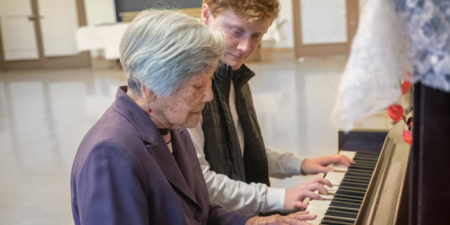
An elderly hospice palliative care patient playing piano with a young volunteer healthcare worker - Three Benefits of Music Therapy for Hospice Care Patients - Northern Illinois Hospice

One of the main goals of hospice care is to provide compassionate support that improves your loved one’s quality of life. To do that, we offer a variety of therapies that can help connect with and comfort your loved one on their hospice journey.

At Northern Illinois Hospice, our music therapy program is led by trained professionals who offer meaningful opportunities for patients and their families to engage with music in various ways. They focus on supporting your loved one’s physical, emotional, and spiritual needs.

In this blog, we’re discussing a few benefits of music therapy in hospice.


Music therapy can help your loved one feel more relaxed and comfortable

Music can have a subtle yet profound impact on someone’s life. For those in hospice, music therapy may offer some physical comfort and relief during difficult moments. Listening to music that’s calming and familiar may help the body relax, easing some discomfort and distracting your loved one from the pain they may be experiencing.

Research indicates that music can trigger the release of endorphins—the body’s natural pain relievers—and help regulate physiological functions such as blood pressure, heart rate, and breathing.

At the same time, music can have a soothing effect on some people, helping them relax their bodies and let go of muscle tension. Since music therapy can be tailored to your loved one’s specific needs, your music therapist can help find ways to provide physical comfort and support during this time.


Music therapy can help with communication and connection between you and your loved one

Music is a great way to communicate and connect with your loved one and other family members. It may help create a comfortable environment where your loved one and other family members can spend time together.

Navigating hospice can be challenging for you and your loved one, so taking time to find ways to reminisce and reconnect can help you both on this hospice journey. When it becomes more challenging to find the right words, music can help bring people together, offering a sense of closeness and understanding during this time. Music is a language unto itself, and can express things beyond the reach of spoken words.

Music therapy is not only beneficial for your loved one, but music therapists can also provide invaluable support to family members and caregivers to help make the most of their time together.


Music therapy provides an outlet for your loved one to express themselves

Hospice can be an emotional journey for some people, and your loved one may find it difficult to express themselves. Music can be a creative outlet for them to communicate their emotions, especially when putting feelings into words feels overwhelming.

Fear, anxiety, frustration, and sadness can be common emotions during this time. Engaging with music may help your loved one decompress and relax their body and mind, providing comfort. In some cases, music can help individuals acknowledge and process their emotions in a gentle, supportive way.

In addition, the music we have loved, as well as music aligned with our cultural or religious traditions can be very validating. In a “musical memory,” it is not just the music we recall, but the time, place, people, circumstances and often emotions. This can bring great comfort.

Your loved one can find the best ways to express their individual feelings, so you can better support and understand how they’re doing.


Northern Illinois Hospice is here to provide compassionate end-of-life care

At Northern Illinois Hospice, we understand that every hospice journey is unique, which is why each care plan is tailored to the person’s goals and wishes. We take that information and create a team of individuals that can provide compassionate end-of-life care for your loved one.

As the first hospice provider in the region, Northern Illinois Hospice has been helping people transition to hospice care for more than 45 years. Our care team provides compassionate end-of-life care to individuals with life-limiting illnesses.

We honor patients and their wishes by providing specialized care that treats the person, not the disease. We offer a wide range of palliative and hospice care to improve your loved one’s quality of life in their final months.

Our experienced team of healthcare professionals, social workers, and volunteers is here to ensure your loved one’s comfort and support.


Get even more support with The Reading Room

Because hospice care offers so many services and benefits to patients, families, and providers, it can sometimes feel overwhelming to navigate. That’s why we created The Reading Room.

The Reading Room is a special place where people can learn and grow in their understanding of hospice and palliative care, anytime and anywhere. It’s like having a whole library in the palm of your hand or with a click of your mouse. With dozens of articles and helpful how-to videos in both English and Spanish, The Reading Room can serve as a helpful guide. 

To learn more about our palliative or hospice services or how we can help you navigate end-of-life care for your loved ones, call us today at (815) 398-0500.

Tips for Handling Common Emotions During Hospice Care

inBlog, Community/News
Two people holding hands in comfort and support, one is younger and the other is older and in a hospice bed - Tips for Handling Common Emotions During Hospice Care - Northern Illinois Hospice

When you or your loved one enters hospice, it’s completely natural to feel several different emotions all at once. Some days may feel like you’re on an emotional rollercoaster, but that’s okay. Your hospice care team will be on your side the entire time, providing physical, emotional, and spiritual support when needed for you and your loved one. 

In this blog, we’re discussing some tips on how to cope with common emotions you and your loved one may feel through the various stages of hospice care. 


Create meaningful moments with your loved one when you’re experiencing sadness

Feelings of sadness, grief, or even isolation may arise while your loved one is receiving hospice care, especially during special occasions. Spending meaningful time with your loved one doing activities they love or reminiscing about fond memories can help you stay connected during this difficult time. 

You might watch a favorite movie together, read a meaningful book, or enjoy any activity that brings them joy. Follow their lead and let them choose whatever activities help them feel connected. Sometimes even your presence is enough to help them feel less alone. Spending time together can bring you and your loved one comfort and peace as you navigate this journey together. 


Visit with friends or family when you’re feeling isolated

Hospice can definitely feel isolating at times, so finding ways for your loved one to stay connected with others is crucial. If they’re feeling up to it, you can always schedule visits with friends and family. Even a short phone call or video chat can help your loved one socialize and spend meaningful time with the people they love. 

As a caregiver, it’s also essential that you find ways to socialize, as it’s easy to get caught up in the daily demands of caring for someone. Your hospice team can connect you with bereavement support groups, so you can talk with someone who’s on a similar journey. 

Finding small ways to stay connected with others can help you feel less alone during this difficult time. 


Lean on the hospice care team for support when you’re feeling overwhelmed 

If you’re ever feeling overwhelmed, you can look to your hospice team to provide support and guidance. When you’re responsible for providing full-time care to someone you love, it takes an emotional toll. The entire team, including nurses, chaplains, and social workers, can share valuable resources with you. For example, if you need help with some tasks, you can ask about volunteer programs or respite care.

Don’t be afraid to reach out to the care team for help because they care about you and your family. They’re there to explain symptoms, walk you through any changes, and make sure you never feel like you’re facing this process alone. 


Ask for clarification when you’re feeling fear or uncertainty 

If you’re ever feeling fear or uncertainty, turn to the care team for assistance. Your nurses and providers can answer any questions about your loved one’s care, talk through the care plan, and ease any concerns you may have.

If your loved one’s fears stem from spiritually related uncertainties, their hospice team can arrange for a meeting with the chaplain or any clergy members from your loved one’s faith. Hospice offers spiritual support regardless of beliefs and values, so you have someone to turn to during this challenging journey. 

Acknowledging your fears can be difficult, but reaching out for help and reassurance is what the team is here for. 


Northern Illinois Hospice is here to provide compassionate end-of-life care

At Northern Illinois Hospice, we understand that every hospice journey is unique, which is why each care plan is tailored to the person’s goals and wishes. We take that information and create a team of individuals that can provide compassionate end-of-life care for your loved one. 

As the first hospice provider in the region, Northern Illinois Hospice has been helping people transition to hospice care for more than 45 years. Our team provides compassionate end-of-life care to individuals with life-limiting illnesses.

We honor patients and their wishes by providing specialized care that treats the person, not the disease. We offer a wide range of palliative and hospice care to improve your loved one’s quality of life in their final months.

Our experienced team of healthcare professionals, social workers, and volunteers is here to ensure your loved one’s comfort and support.


Get even more support with The Reading Room

Because hospice care offers so many services and benefits to patients, families, and providers, it can sometimes feel overwhelming to navigate. That’s why we created The Reading Room.

The Reading Room is a special place where people can learn and grow in their understanding of hospice and palliative care, anytime and anywhere. It’s like having a whole library in the palm of your hand or with a click of your mouse. With dozens of articles and helpful how-to videos in both English and Spanish, The Reading Room can serve as a helpful guide. 

To learn more about our palliative or hospice services or how we can help you navigate end-of-life care for your loved ones, call us today at (815) 398-0500.

Six Tips for Primary Caregivers of Hospice Patients

inBlog, Community/News
A younger woman helping an older woman by putting a blanket around her shoulders - Six Tips for Primary Caregivers of Hospice Patients - Northern Illinois Hospice

If you’ve ever been the primary caregiver for someone in hospice care, then you know how demanding the job is. While it’s one of the most challenging things you’ll ever do, it’s also one of the most rewarding. In this blog, we’ve compiled six tips to help primary caregivers of hospice patients better support their loved one through their hospice journey. 


Tip #1: Staying organized can help alleviate stress

Staying organized can be easier said than done, but it may help alleviate stress in the long run. When you’re the primary caregiver, you’re expected to keep track of many things, including medications, appointments, paperwork, and more. 

You can find digital and paper planners or calendars that can help you visually track your loved one’s upcoming visits. A file system may help you keep all of your loved ones’ essential documents in the same spot, so you can easily access their information. 

Having a reliable system in place to keep information organized and easily accessible will ensure your loved one’s needs are met without missing any crucial information or appointments. 


Tip #2: Openly communicate with your loved one’s hospice care team

Don’t be afraid to reach out to the hospice team.  Open communication with your loved one’s hospice team will ensure a smooth, seamless experience for everyone involved. Your care team is always available to answer any questions you or your loved one may have about their medications, medical equipment, upcoming appointments, therapy programs, and more. 

As a primary caregiver, you know your loved one the best. If you notice any changes in their conditions or have concerns, you can bring them up to the care team. 

Having open, honest communication ensures that your loved one is receiving the care they deserve and that any questions or concerns you may have are addressed. 


Tip #3: Be patient with yourself and who you’re caring for 

Being a full-time caregiver for someone in hospice can be exhausting, so always remember to be patient with your loved one. Hospice prioritizes its patients’ wishes, so honoring their wishes should come first. Take the time to let them participate in their care and make decisions while they can. If they’re struggling with memory, be patient as they retell stories and ask questions. 

Learning to be a patient caregiver can be challenging, but staying calm and levelheaded can create a comfortable, peaceful environment for your loved one. 


Tip #4: Don’t forget to take care of yourself 

As a caregiver, it can be easy to put yourself on the back burner while caring for your loved one. This job takes a toll on you physically, mentally, emotionally, and even spiritually. Finding ways to alleviate stress and practice self-care can make a big difference. 

Fitting intentional movement, like walking, into your day can help you decompress. Remembering to eat and rest regularly can help you refuel and give you the energy you need to get through the day. If you need to talk to someone, you can speak with a spiritual advisor, seek professional help, or contact someone on the hospice care team. 

Making time for yourself will help you fill your cup so you can be the best caregiver for your loved one. 


Tip #5: Make the most of your time together 

Being present and making the most out of the time you have with your loved one is one of the most important things you can do as a primary caregiver. While it’s easy to get caught up in stressful moments, it’s crucial to remind yourself to take a deep breath and slow down.

Find activities you can do with your loved one, like watching their favorite films, reading their favorite book, or even listening to their favorite music. You may even enjoy doing puzzles, arts and crafts, or reminiscing about fond memories. 

Spending quality time with your loved one can bring peace and comfort while they’re on hospice.


Tip #6: Use the resources you have available to you

Your loved one’s hospice provider has helpful resources to support your hospice journey as a caregiver. Don’t be afraid to ask for support during this difficult time. Whether you need more information on medications, in-home medical equipment, volunteer programs, bereavement support, or spiritual guidance, the Medical Social Worker, Chaplains, and nurses, as well as other members, can assist you. They’re available around the clock to provide invaluable support to help you become a better caregiver. 

When you have all the information you need, you can make informed decisions about your loved one’s care and feel confident in your role as a caregiver. 


Northern Illinois Hospice is here to provide compassionate end-of-life care

At Northern Illinois Hospice, we understand that every hospice journey is unique, which is why each care plan is tailored to the person’s goals and wishes. We take that information and create a team of individuals that can provide compassionate end-of-life care for your loved one. 

As the first hospice provider in the region, Northern Illinois Hospice has been helping people transition to hospice care for more than 45 years. Our team provides compassionate end-of-life care to individuals with life-limiting illnesses.

We honor patients and their wishes by providing specialized care that treats the person, not the disease. We offer a wide range of palliative and hospice care to improve your loved one’s quality of life in their final months.

Our experienced team of healthcare professionals, social workers, and volunteers is here to ensure your loved one’s comfort and support.


Get even more support with The Reading Room

Because hospice care offers so many services and benefits to patients, families, and providers, it can sometimes feel overwhelming to navigate. That’s why we created The Reading Room.

The Reading Room is a special place where people can learn and grow in their understanding of hospice and palliative care, anytime and anywhere. It’s like having a whole library in the palm of your hand or with a click of your mouse. With dozens of articles and helpful how-to videos in both English and Spanish, The Reading Room can serve as a helpful guide. 

To learn more about our palliative or hospice services or how we can help you navigate end-of-life care for your loved ones, call us today at (815) 398-0500.

Tips for Visiting Friends and Family in Hospice Care

inBlog, Community/News
Two older women smiling and putting a puzzle together while enjoying time together - Tips for Visiting Friends and Family in Hospice Care

Visiting someone while they are in hospice can feel challenging. It can take a toll on you emotionally and may be difficult if you don’t know what to expect.

Making time to visit your friends and family in hospice can have a positive, lasting impact, especially around the holidays. In this blog, we’re walking through four tips to help you have a meaningful visit. 


Call to check in first

Before you plan your visit, it’s best to talk to your loved one’s family or caregiver to schedule a time to come over. Unexpected visitors may interfere with previously scheduled home visits from their hospice team. 

After these visits, they may feel worn out and need time to rest before seeing anyone else. By talking to your family or caregiver, you can determine a time that doesn’t overlap with other visits so you can have quality one-on-one time with your loved one without interruption. 


Be present

Your presence has the power to make a meaningful impact on your loved one’s life. If your loved one feels up to having visitors, remember to be present and in the moment with them. Social activity can take a physical and mental toll on hospice patients, so be intentional and thoughtful during your visit. 

Sometimes, all hospice patients want is a companion to sit with them, listen to their stories, and reminisce about their favorite memories. Other times, you may be able to find an activity to do together. 

Your support can bring comfort and peace during this difficult time. 


Respect their wishes and boundaries

Hospice honors their patients’ wishes and does everything they can to keep them safe and comfortable during this time. While you visit, you should also respect your loved one’s wishes and boundaries. 

If they don’t feel well enough to have company, then it may be better to reschedule your visit. If they feel uncomfortable talking about something, find a new topic. If they politely ask you to leave, you shouldn’t overstay your welcome. While you’re visiting, you should help them make the most of their time by focusing on what matters to them. 


Be patient

Patience goes a long way in hospice care. If you’re visiting someone in hospice who has memory loss, remember to be patient and kind. It can be challenging to see your loved one struggle to remember things or repeat themselves over and over, but you have to remain calm and understanding. 

You may be able to jog their memory by recalling old memories, looking through old photographs, or even listening to music. Sometimes it’s helpful to follow their lead in the conversation. By being patient and understanding, you’re allowing them to talk about what matters to them, which can make a meaningful difference. 


Follow health and safety precautions

It’s always best to check with the family or caregiver to see if there are any additional safety precautions you should take. If you’re experiencing any cold or flu symptoms, you should let the family know before you visit to determine whether you should reschedule. While it may be disappointing to reschedule, their health and safety should always come first. 

Additionally, ask the family members if there are any other safety precautions you should be mindful of. For example, if your friend or family member is in a long-term skilled nursing facility or other hospice facilities, they may take extra precautions to prevent your loved one from falling if they try to get up on their own. If you see something concerning during your visit, you should always let a family member know immediately. 

Remembering to follow health and safety precautions will help keep your loved one safe and comfortable while in hospice. 


Northern Illinois Hospice is here to provide compassionate end-of-life care

At Northern Illinois Hospice, we understand that every hospice journey is unique, which is why each care plan is tailored to the person’s goals and wishes. We take that information and create a team of individuals that can provide compassionate end-of-life care for your loved one. 

As the first hospice provider in the region, Northern Illinois Hospice has been helping people transition to hospice care for more than 45 years. Our team provides compassionate end-of-life care to individuals with life-limiting illnesses.

We honor patients and their wishes by providing specialized care that treats the person, not the disease. We offer a wide range of palliative and hospice care to improve your loved one’s quality of life in their final months.

Our experienced team of healthcare professionals, social workers, and volunteers is here to ensure your loved one’s comfort and support.


Get even more support with The Reading Room

Because hospice care offers so many services and benefits to patients, families, and providers, it can sometimes feel overwhelming to navigate. That’s why we created The Reading Room.

The Reading Room is a special place where people can learn and grow in their understanding of hospice and palliative care, anytime and anywhere. It’s like having a whole library in the palm of your hand or with a click of your mouse. With dozens of articles and helpful how-to videos in both English and Spanish, The Reading Room can serve as a helpful guide. 

To learn more about our palliative or hospice services or how we can help you navigate end-of-life care for your loved ones, call us today at (815) 398-0500.

Three Ways to Support Friends and Family in Hospice Care

inBlog, Community/News
A young woman being supportive and holding hands with an older woman in a wheelchair in hospice care - Three Ways to Support Friends and Family in Hospice Care - Northern Illinois Hospice

It’s not easy watching someone you love enter hospice care. It can be an emotionally challenging time for everyone involved. You may find yourself wanting to help but unsure of where to lend a helping hand. The truth is, even small, thoughtful gestures can make a lasting impact on your loved one as they navigate their end-of-life journey.

In this blog, we’re covering four meaningful ways you can show your support for any friends or family members in hospice care. 


Provide comfort and emotional support 

Your loved one may be seeking emotional support and comfort during this challenging time. Simply being present can have a meaningful impact on their hospice journey, even if you don’t know what to say. Sitting quietly beside them, holding their hand, or sharing a comforting presence can bring a sense of peace.

If you’re unsure of how to help, ask your loved one how they would like you to support them and honor their wishes. Some may want someone to listen as they share their thoughts or worries. Others may find comfort in talking about memories, favorite stories, or meaningful moments from their life. Hospice can be emotionally taxing, so finding ways to ensure your loved one feels seen, heard, and supported can bring them comfort when they need it most. 


Offer help with small, daily tasks 

Another way to support your loved one in hospice care is by offering a helping hand with small, everyday tasks. Some examples of these include:

  • Assisting with laundry
  • Preparing a meal
  • Coordinating meal trains
  • Running errands
  • Providing short periods of relief for the main caregiver

These small gestures can ease the physical and emotional load that families often carry. Instead of asking them to tell you how to help, try offering specific suggestions. It may make it easier for the caregiver or family to accept support.

Even the smallest task can bring comfort and peace during an emotionally challenging time. Your willingness to assist the family in any way can help. 


Provide emotional support and encouragement for the primary caregiver 

The primary caregiver typically devotes all of their time and energy to caring for their loved one in hospice. This new responsibility can make a person feel easily overwhelmed and burnt out. By offering words of encouragement or temporary relief, you can help them avoid burnout and give them a chance to recharge both physically and emotionally.

Some ways you can help out caregivers include:

  • Check in on their well-being
  • Bring them coffee, meals, or self-care items
  • Offer companionship and listen as they talk through their emotions
  • Remind them of the resources available through their hospice provider

Even small gestures of kindness can remind caregivers that they are not alone, and that their compassion and strength truly make a difference.


Northern Illinois Hospice is here to provide compassionate end-of-life care

At Northern Illinois Hospice, we understand that every hospice journey is unique, which is why each care plan is tailored to the person’s goals and wishes. We take that information and create a team of individuals that can provide compassionate end-of-life care for your loved one. 

As the first hospice provider in the region, Northern Illinois Hospice has been helping people transition to hospice care for more than 45 years. Our team provides compassionate end-of-life care to individuals with life-limiting illnesses.

We honor patients and their wishes by providing specialized care that treats the person, not the disease. We offer a wide range of palliative and hospice care to improve your loved one’s quality of life in their final months.

Our experienced team of healthcare professionals, social workers, and volunteers is here to ensure your loved one’s comfort and support.


Get even more support with The Reading Room

Because hospice care offers so many services and benefits to patients, families, and providers, it can sometimes feel overwhelming to navigate. That’s why we created The Reading Room.

The Reading Room is a special place where people can learn and grow in their understanding of hospice and palliative care, anytime and anywhere. It’s like having a whole library in the palm of your hand or with a click of your mouse. With dozens of articles and helpful how-to videos in both English and Spanish, The Reading Room can serve as a helpful guide. 

To learn more about our palliative or hospice services or how we can help you navigate end-of-life care for your loved ones, call us today at (815) 398-0500.

In-Home vs. Inpatient Hospice Care

inBlog, Community/News
A hospice care worker handing a glass of water and tending to a hospice patient reading in bed - In-Home vs In-Patient Hospice Care Blog - Northern Illinois Hospice

Everyone’s hospice journey looks different. While each setting focuses on providing comfort care to people with life-limiting illnesses, each environment has its own benefits. Understanding the difference between in-home and inpatient hospice care can help you make an informed decision about which setting best supports your loved one’s needs.

In this blog, we’re comparing both environments, so you can feel confident choosing the type of care that provides the most comfort and peace for your loved one.


In-Home Hospice 

Setting and environment 

In-home hospice care lets people with life-limiting illnesses receive care in the comfort of their own home. It provides physical, emotional, and spiritual support, allowing them to remain in a familiar environment. Hospice teams manage the details that help care run smoothly at home. They work closely with your loved one’s care team to provide medical equipment and supplies directly to the home for added convenience.

In-home hospice combines professional care with the comforts of home, helping families create a peaceful, familiar environment.


Type of care provided 

Your loved one’s hospice care team is responsible for providing personalized and compassionate care. Their team includes nurses, physicians, social workers, chaplains, and volunteers. They all play an active role in following your loved one’s care plan to ensure they receive the care they need. 

For your loved one’s convenience, hospice coordinates with their care team to bring medical equipment and supplies, such as oxygen tanks, mobility aids, and more. That way, you have everything you need to help keep your loved one safe and comfortable at home. 

Receiving hospice care in a familiar setting allows your loved one to remain surrounded by the people, routines, and comforts that bring them peace. 


Who may benefit from in-home hospice care 

If your loved one chooses to receive in-home hospice care, it may be the best option if they feel most at peace with familiar surroundings. This setting is often ideal for individuals who prefer to remain close to family, friends, and the comforts of home while receiving support from their care team.

It’s also a good fit for families who wish to take an active role in caregiving. Hospice staff provide family members with the resources and education they need to feel confident in supporting their loved one during their hospice care journey. 

In-home hospice can create a calm, comforting environment that allows your loved one to spend their remaining time in a place in which they are the most comfortable.


Inpatient Hospice 

Setting and environment 

Inpatient hospice care refers to care received outside the home, including skilled nursing facilities or a hospice facility. Oftentimes, these facilities are designed to feel comforting and inviting.

Most places offer private rooms that include comfortable furnishings and space for family visits. You may also bring in personal items from home, like blankets, picture frames, and keepsakes, to help your loved one feel more at home in an unfamiliar environment. Even though this may be a new and unfamiliar setting, their care team will ensure they feel comfortable and at peace. 


Type of care provided 

The type of care provided in an inpatient setting is similar to in-home; however, there may be some differences based on the level of care your loved one requires. For example, inpatient care often includes more frequent monitoring and around-the-clock access to the providers on their care team. 

A clinical setting, such as a skilled nursing facility, provides access to medical equipment that isn’t available at home.

Caregivers can also focus on spending quality time with their loved one instead of managing hands-on care. 

While the setting and care may seem different, the goal remains the same. Hospice is there to provide personal and compassionate care while effectively managing their symptoms and maintaining your loved one’s comfort and dignity.


Who may benefit from inpatient hospice 

In-home hospice care is not the right fit for everyone. For many families, inpatient hospice can be more beneficial than in-home care. Finding the best setting for your loved one depends on the level of care they need and should be discussed with your hospice provider.

If your loved one requires continuous medical supervision or more intensive symptom management, inpatient hospice may be the better option. This setting provides around-the-clock access to nurses and medical staff who can respond quickly to changes in comfort or condition.


Northern Illinois Hospice is here to provide compassionate end-of-life care

At Northern Illinois Hospice, we understand that every hospice journey is unique, which is why each care plan is tailored to the person’s goals and wishes. We take that information and create a team of individuals that can provide compassionate end-of-life care for your loved one. 

As the first hospice provider in the region, Northern Illinois Hospice has been helping people transition to hospice care for more than 45 years. Our team provides compassionate end-of-life care to individuals with life-limiting illnesses.

We honor patients and their wishes by providing specialized care that treats the person, not the disease. We offer a wide range of palliative and hospice care to improve your loved one’s quality of life in their final months.

Our experienced team of healthcare professionals, social workers, and volunteers is here to ensure your loved one’s comfort and support.


Get even more support with The Reading Room

Because hospice care offers so many services and benefits to patients, families, and providers, it can sometimes feel overwhelming to navigate. That’s why we created The Reading Room.

The Reading Room is a special place where people can learn and grow in their understanding of hospice and palliative care, anytime and anywhere. It’s like having a whole library in the palm of your hand or with a click of your mouse. With dozens of articles and helpful how-to videos in both English and Spanish, The Reading Room can serve as a helpful guide. 

To learn more about our palliative or hospice services or how we can help you navigate end-of-life care for your loved ones, call us today at (815) 398-0500.

N Illinois Hospice
  • 815.398.0500
  • FAQs
  • Events
  • Donate Now
  • Careers
  • Contact
  • Veteran Support
  • Joint Commission Public Notice

SUBSCRIBE TO NEWSLETTER

©2026 NORTHERN ILLINOIS HOSPICE

HOSPICE PRIVACY POLICY

Call us: 815.398.0500
  • FAQs
  • Donate
  • Events
  • Volunteer Portal Home
  • Referrers
    • Physicians
    • Affiliates/Partners
    • Make a Referral
We use cookies on our website to give you the most relevant experience by remembering your preferences and repeat visits. By clicking “Accept”, you consent to the use of ALL the cookies.
Cookie settingsACCEPT
Privacy & Cookies Policy

Privacy Overview

This website uses cookies to improve your experience while you navigate through the website. Out of these cookies, the cookies that are categorized as necessary are stored on your browser as they are essential for the working of basic functionalities of the website. We also use third-party cookies that help us analyze and understand how you use this website. These cookies will be stored in your browser only with your consent. You also have the option to opt-out of these cookies. But opting out of some of these cookies may have an effect on your browsing experience.
Necessary
Always Enabled
Necessary cookies are absolutely essential for the website to function properly. This category only includes cookies that ensures basic functionalities and security features of the website. These cookies do not store any personal information.
SAVE & ACCEPT